
How to make a video game
The whole pipeline: engine, code, art, sound, testing and release.
On this page
Short answer
To make a video game, pick an engine that fits the game (Godot, Unity, Unreal, GameMaker or GDevelop), learn enough of its scripting to move a character and detect collisions, build one small playable level with placeholder art, playtest it with other people, then replace the art and sound and publish it on a store or the web. Your first game should take weeks, not years. If you'd rather skip straight to playing, an AI game maker like Modder can build a first version from a sentence in about twenty minutes.
Step by step
Decide what the game is, in one sentence
Write the core loop: what the player does over and over, and why. "Jump between rooftops and grab coins before the timer runs out" is a game you can make. "An open-world RPG with crafting" is a studio's five-year plan. Pick a small idea you'd finish.
Pick an engine
An engine gives you rendering, physics, input and sound so you write only your game. Godot is free and open source and good for 2D and 3D. Unity is the most common choice for indie and mobile games and uses C#. Unreal is aimed at high-end 3D and uses C++ and Blueprints visual scripting. GameMaker is built for 2D. GDevelop and Scratch let you make games without writing code.
Learn just enough code
You don't need a computer science degree. Learn variables, if statements, loops and functions in your engine's language, then how your engine handles input, movement and collisions. Follow one beginner tutorial all the way through rather than starting ten.
Build an ugly prototype
Use boxes and circles. Get the main action working and fun before you draw a single character. If it isn't fun with boxes, art won't save it; if it is, you know the game is worth finishing.
Add art and sound
Make your own in tools like Blender (3D), Aseprite or Krita (2D) and Audacity (sound), or use free asset packs such as Kenney's CC0 collections, Poly Haven and the asset sections of itch.io. Keep one consistent style; mixed styles look worse than simple ones.
Playtest with real people
Watch someone play without helping. Where they get stuck, bored or confused is your to-do list. Fix the biggest problem, test again, and repeat.
Publish it
Export a build and put it where players are: itch.io for free and indie games, Steam for PC (there's a fee per game), the App Store or Google Play for phones, or a web portal for browser games. Write a short description and record a clip; that's what people see first.
Choosing an engine without overthinking it
The engine matters less than finishing. Every engine above has shipped successful games, and the skills you learn in one transfer to the others. Pick by the game you want to make first. For a 2D game, Godot, GameMaker and GDevelop are all comfortable. For 3D, Godot and Unity are friendly to beginners, and Unreal is the choice if you're after realistic graphics and don't mind a steeper climb and a powerful computer. If you can't code at all and want results this weekend, GDevelop or Scratch will get you there.
Licences are worth a glance. Godot is free under the MIT licence with no royalties. Unity and Unreal are free to start, with fees or royalties once a game earns past their thresholds; both have changed their terms in the past, so read the current page before you commit. GameMaker is free for non-commercial use with paid tiers for selling on some platforms.
How long does it take?
A tiny game, like a single-screen arcade game, can take a weekend once you know an engine. A small polished game takes most people a few months of evenings. A first commercial game on Steam is often one to three years for a solo developer. The single best way to shorten that is to shrink the idea: fewer levels, one mechanic done well, one setting.
Game jams, where you make a game in 48 hours or a week to a theme, are the fastest way to learn. They force a small scope and give you a deadline, and itch.io lists dozens running at any time.
Art, sound and the 80% that isn't code
New developers expect code to be the hard part. Usually it's everything around it: menus, a pause screen, saving, sound for every action, a title screen, settings, what happens when you lose. Budget time for it. Sound in particular is cheap to add and changes how a game feels more than almost anything else; even simple effects for jumping, hitting and collecting make a prototype feel finished.
If you're not an artist, lean on a limited style: flat colours, low-poly shapes, or a small pixel palette. Free asset packs with a clear licence (CC0 means you can use them for anything) are a perfectly respectable way to ship.
Working alone, or finding help
Most first games are solo projects, and that's fine. When you get stuck, the engine's own forum or Discord is usually the fastest place to get an answer, and searching the exact error message solves more problems than any book. If you want collaborators, game jams are where artists, musicians and programmers meet; teams formed for a weekend often keep working together afterwards.
Keep a short devlog as you go: a screenshot and two lines a week. It keeps you honest about progress, and when you publish, it becomes the story you tell players about how the game was made.
The fast path: describe it and let an AI build it
AI game makers now write the whole game for you. On Modder you describe the game in a sentence, and an agent plans it, writes the code in a real engine (three.js with Rapier physics), picks or generates art and sound, then plays the game in a browser, looks at screenshots and fixes what it finds. A first build takes five to twenty-five minutes, and you change it by asking: "make the jump higher", "add a shop".
It isn't a replacement for learning an engine if you want to make a big, original game, or to sell on consoles. It's great for testing whether an idea is fun before you spend months on it, for making something to play with friends tonight, and for people who will never have time to learn Unity. Making games on Modder needs a plan or a credit top-up; playing them is free.
Questions
Can I make a video game with no experience?
Yes. Start with a no-code tool like GDevelop or Scratch, or a beginner-friendly engine like Godot with a step-by-step tutorial, and keep the first game tiny. An AI game maker can also build a first version from a description.
What's the best engine for beginners?
Godot is a popular first engine: free, light, and good at both 2D and 3D. GDevelop and Scratch are easier still if you don't want to write code.
How much does it cost to make a video game?
It can cost nothing: Godot, Blender, Krita and many asset packs are free. Costs come with publishing (Steam and the app stores charge fees) and with paid assets, tools or help.
What programming language do games use?
It depends on the engine: C# in Unity, C++ in Unreal, GDScript or C# in Godot, GML in GameMaker, Luau in Roblox, and JavaScript for web games.
Can AI make a video game for me?
Yes, for small and medium games. AI game makers like Modder write, test and fix a playable game from a description. Big story games and console releases still need people and engines.
More guides
More on Modder
Honest comparisons
Other AI game tools beside Modder, including where they're better.
The fast way
AI game maker
The main page: what Modder's maker is, how a build goes, what it can and can't do.
Make it with Modder
AI game maker
The main page: what Modder's maker is, how a build goes, what it can and can't do.
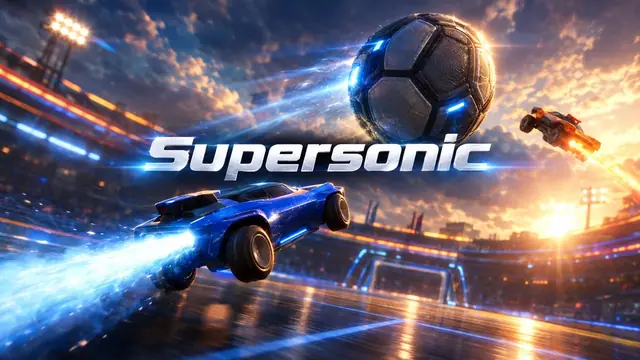
3D game maker
Physics, lighting, cameras and models: real 3D, made by describing it.
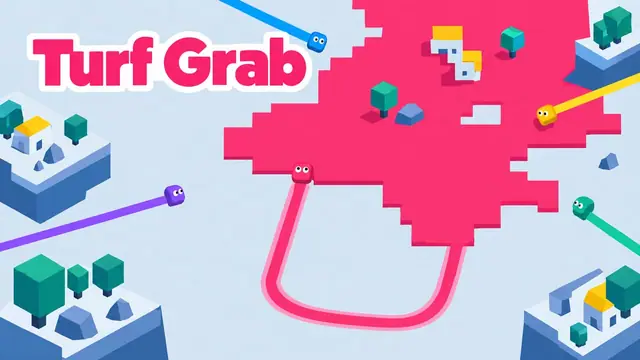
2D game maker
Flat, readable, quick to play: top-down, side-on and puzzle games.

AI game generator
Prompt in, game out: what to write in the box and what you get back.